Hidden Gem Destinations in Europe You Can Visit Cheaply
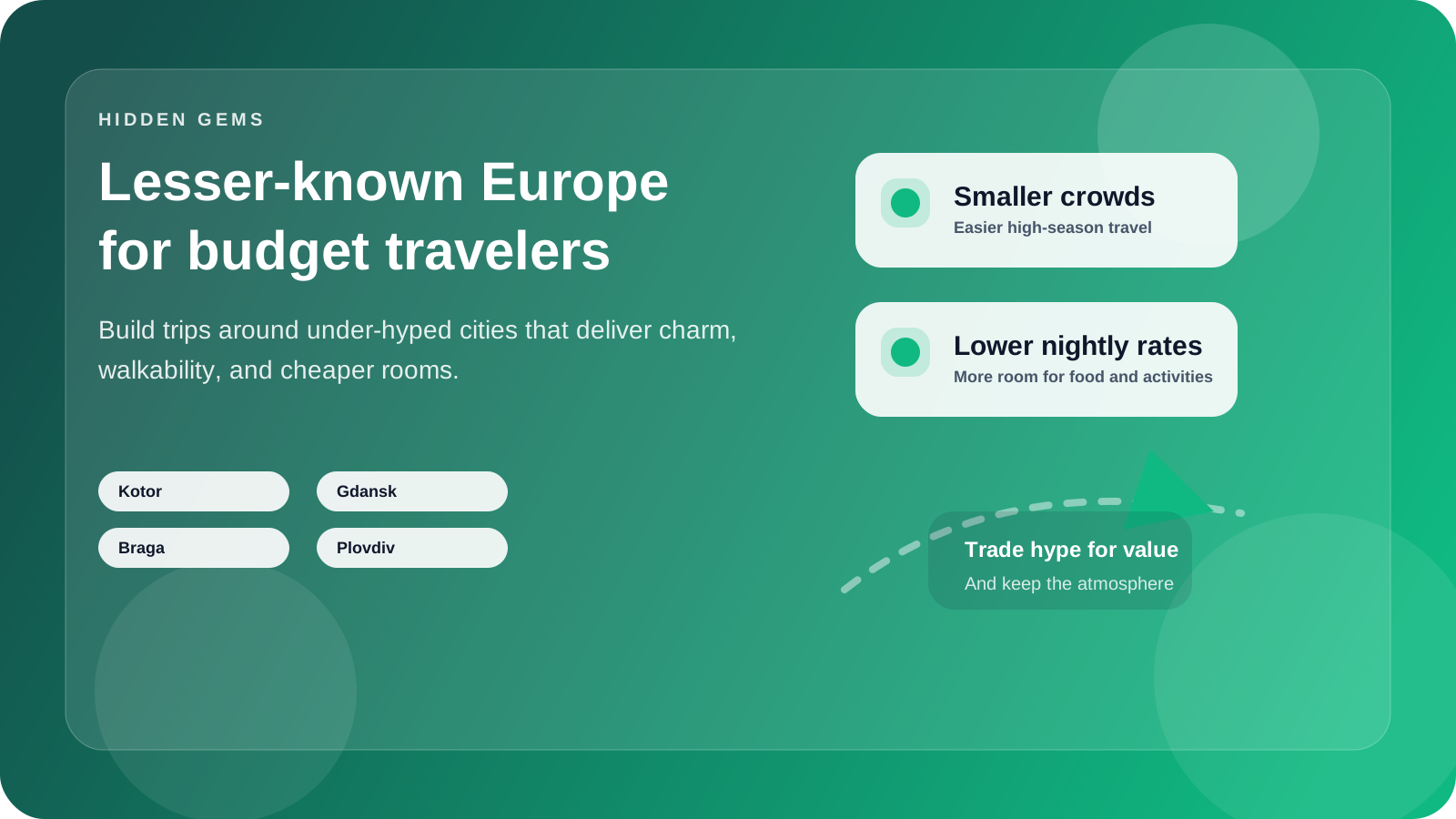
Europe gets much more affordable once you stop chasing only the biggest names. Hidden gem destinations often give you the most satisfying version of a trip: better room value, less crowd fatigue, and enough local texture that the place still feels special.
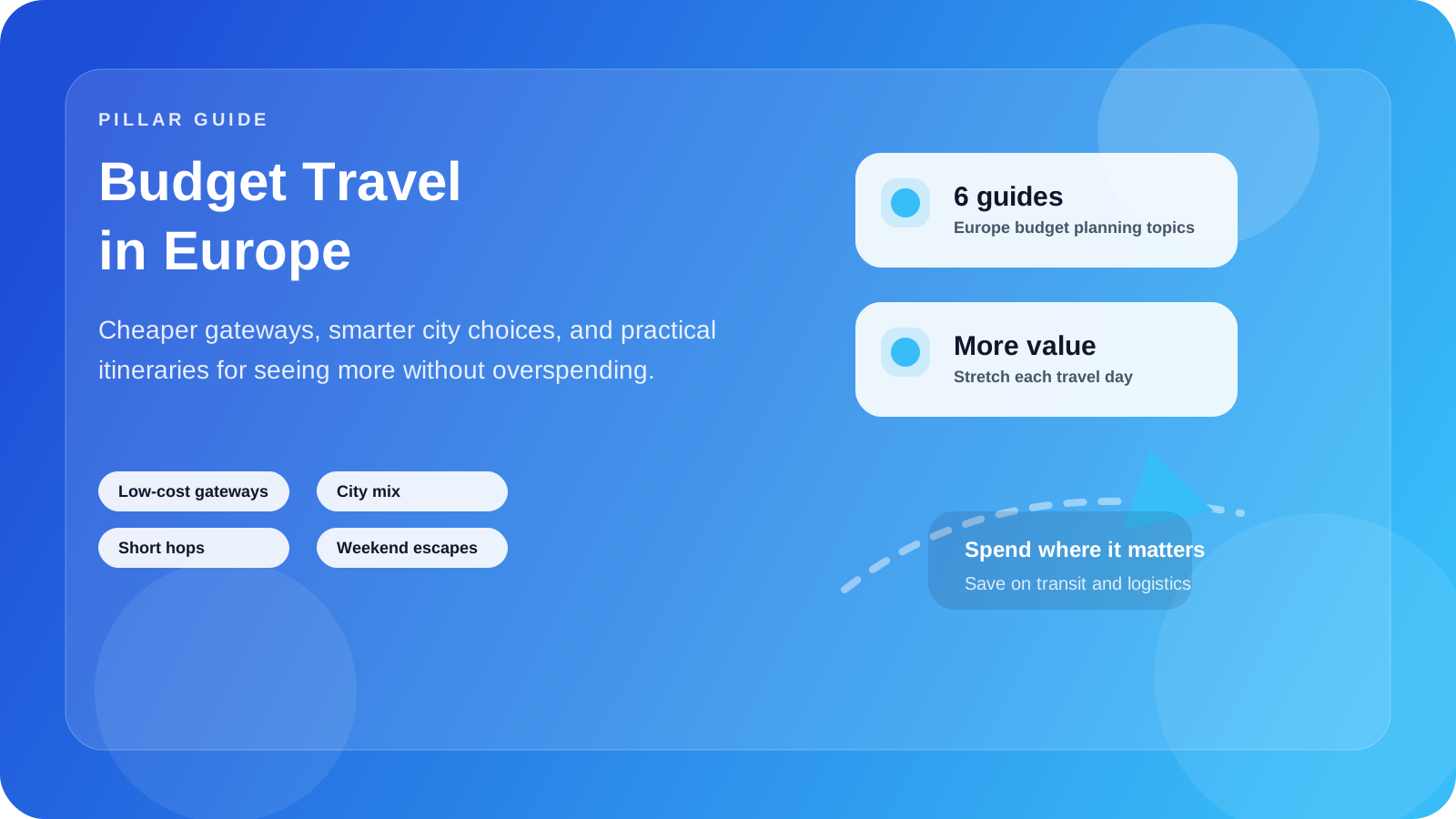
These are especially strong picks if you already know the famous cities or want something more relaxed this time around. For bigger trip design, use the Budget Travel in Europe pillar and Cheapest Cities to Fly Into Europe alongside this list.
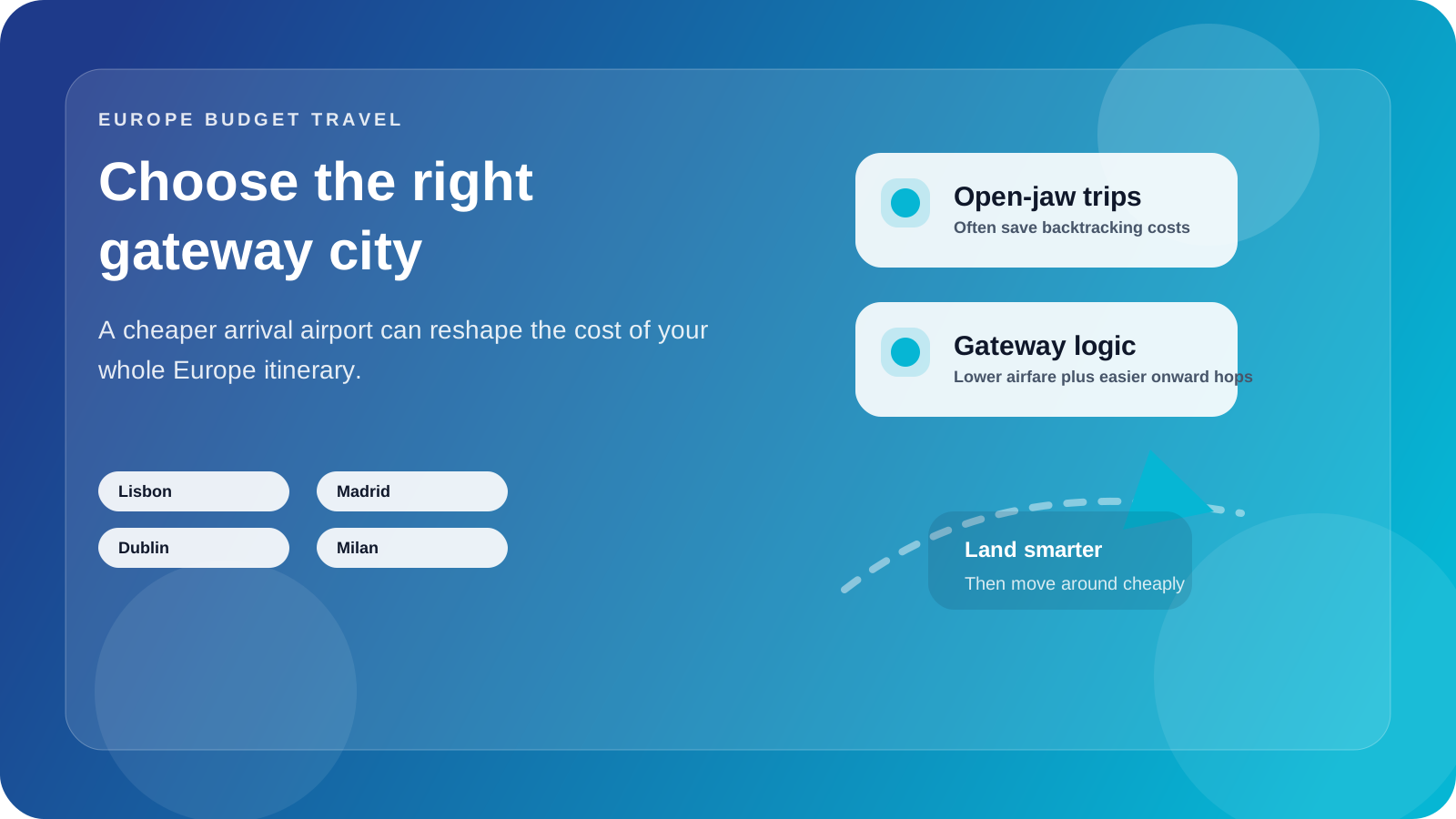
Gateway map showing how to build cheaper itineraries around under-the-radar destinations.
Affordable hidden gems worth building a trip around
Braga, Portugal
Braga gives you historic squares, hillside churches, and northern Portugal charm without the same profile or pricing pressure as Lisbon or Porto. It works beautifully for travelers who want walkability and atmosphere but do not need a capital-city pace.
The city is especially smart as an extension from Porto. You can use a cheaper long-haul entry to Portugal, then shift to Braga for a calmer and often better-value stay with strong food and an easy old-town rhythm.
Gdansk, Poland
Gdansk feels cinematic without demanding a cinematic budget. The colorful facades, waterfront setting, and layered history make it feel like a destination that should cost more than it usually does, especially outside the most compressed peak periods.
It also benefits from being compact. You can do a lot on foot, the old town feels rewarding even on a short visit, and the city works well for travelers who want a distinctive setting without paying Western European room rates.
Kotor, Montenegro
Kotor gives you Adriatic scenery and walled-town beauty with a smaller-scale feel than some of the region’s most famous summer stops. For travelers who want dramatic views and a memorable waterfront atmosphere, it can feel like a major-value find.
The trick is to build the logistics carefully. Use a nearby gateway efficiently, stay alert to transfer time, and avoid overcomplicating the route. Once you get there, the payoff is big because the setting does so much of the work.
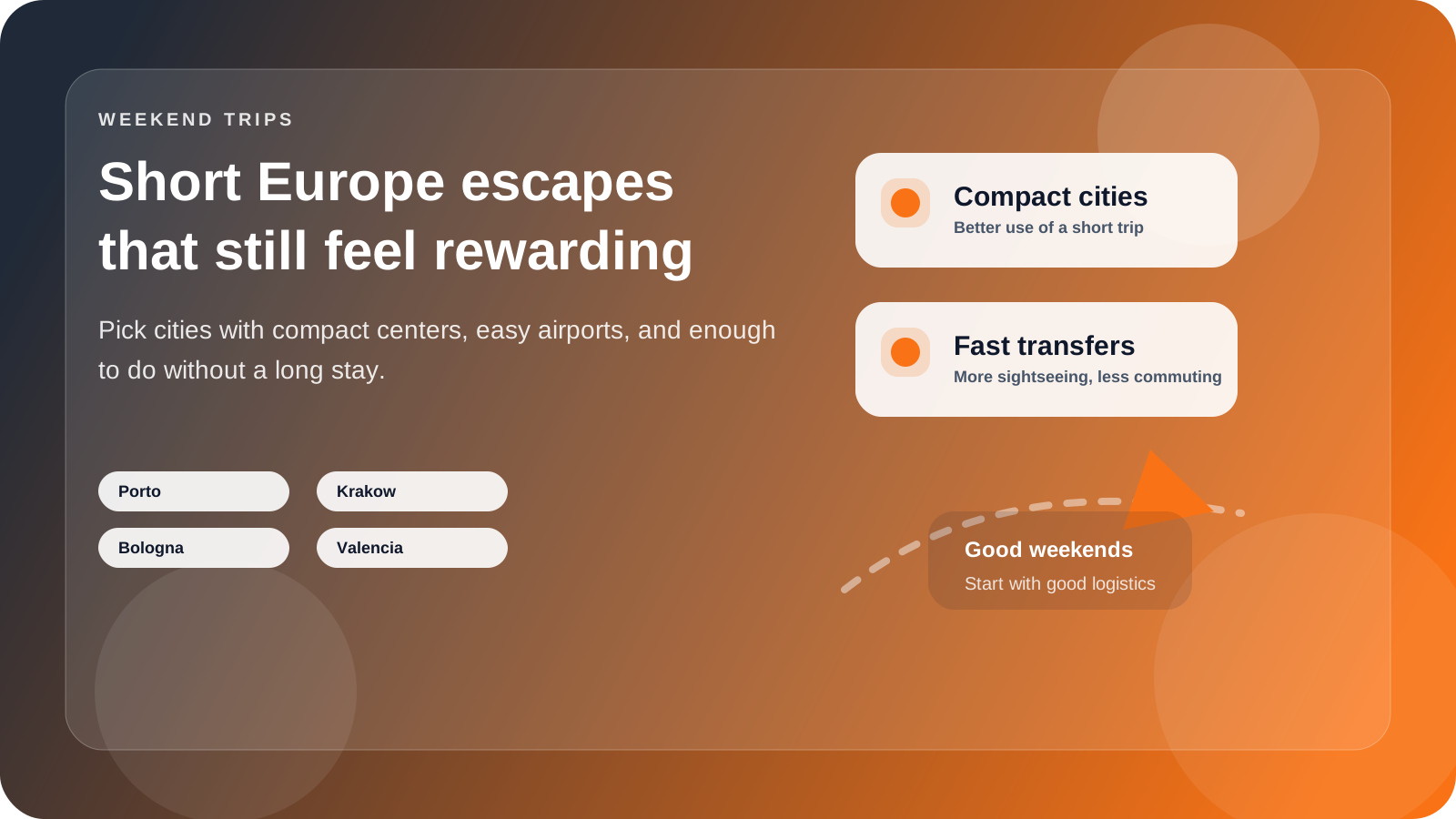
Budget city-break cards highlighting smaller European destinations.
Trieste, Italy
Trieste is a clever choice for travelers who want Italy with a slightly different energy. It has grand coffeehouse culture, sea views, and Central European character, yet it often sits outside the first wave of classic Italian city-break planning.
That lower profile can create better value and a calmer experience. It is a strong pick for travelers who want architecture, excellent café time, and a city that feels distinctly itself rather than over-programmed for tourism.
Plovdiv, Bulgaria
Plovdiv is one of the easiest cities in Europe to recommend to travelers who value atmosphere over hype. It has Roman ruins, creative neighborhoods, and a laid-back center that feels pleasant to spend time in rather than merely “see.”
Budget travelers appreciate that the city still offers a lot of trip value outside the obvious checklist mindset. You can eat well, wander comfortably, and build a trip around experience rather than constant paid attractions.
Mostar, Bosnia and Herzegovina
Mostar is often treated as a day trip, but it can be far more rewarding when given time. The old bridge, stone streets, and surrounding landscapes create the kind of visual impact people often seek in more expensive European destinations.
For value-focused travelers, the appeal is that the city feels distinctive and memorable without needing a huge budget. It is best approached with realistic routing and a willingness to keep the trip simple once you arrive.
How to reach hidden gems without overpaying
The cheapest path to a hidden gem is usually indirect in a smart way, not indirect in a chaotic way. Start with a strong gateway city, then connect onward with the simplest short leg available. A cheaper long-haul to Lisbon, Milan, or another major hub can make the whole trip work better.
What you want to avoid is stacking too many fragile connections to save a small amount. The best hidden-gem itineraries still feel relaxed. The point is a lower overall trip cost, not a heroic transit story.
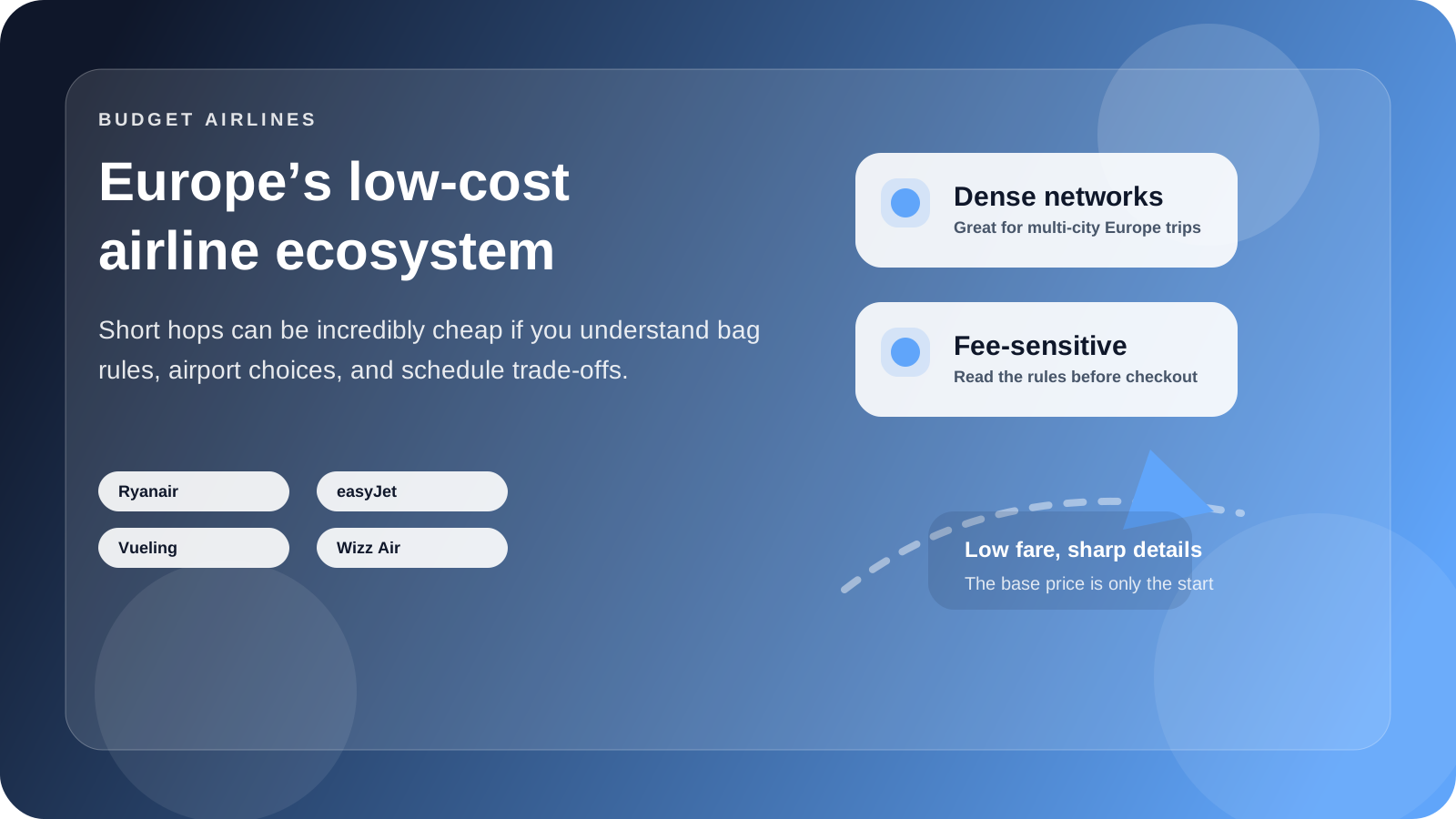
Low-cost route network image for reaching secondary European cities.
Pick places where the daily spend stays gentle
A hidden gem becomes truly budget-friendly when the value continues after arrival. That means cafes you can actually pop into, public transport that is usable, and neighborhoods where you do not feel priced out of the basics. Those everyday wins matter more than a single cheap flight.
This is why smaller European cities can outperform famous capitals. The savings keep happening on accommodation, meals, and the pace of the trip itself.
- Fly into a bigger gateway first if the direct route to the hidden gem is weak.
- Favor compact cities where you can walk most of the time.
- Stay long enough to enjoy the place instead of turning the route into constant transit.
- Use low-cost carriers selectively for the onward leg.
What this looks like on a real Europe trip
Imagine a traveler who wants ten days in Europe, warm weather, and cities that still feel rewarding on a moderate budget. Instead of forcing a pricey direct arrival into a smaller tourist hotspot, they land in Lisbon, spend a few days there, and continue to Porto or Valencia. The trip ends up cheaper not because one line item was dramatically discounted, but because the route itself became smarter.
That is the big budget-Europe lesson. Good gateway logic, compact cities, and realistic transport choices usually create more savings than obsessive comparison of one ticket in isolation.
Mistakes that quietly inflate a Europe budget
Europe trips often become expensive through accumulation rather than one big mistake. Too many city changes, awkward arrival airports, and overly ambitious wish lists create more transport cost and more wasted half-days than travelers expect.
Another common problem is choosing cities for reputation alone. A better-value neighbor with easier logistics can produce a much richer trip if you are actually trying to enjoy the place instead of simply claiming it on an itinerary.
- Packing too many expensive cities into one short trip.
- Choosing a final destination before checking gateway options.
- Underestimating transfer costs and lost transit time.
- Forgetting that food, accommodation, and local transport matter as much as airfare.
A simple plan for turning ideas into a lower-cost itinerary
Good Europe planning usually starts with a region, not a random list of famous places. Once you choose the region, compare gateway cities, shortlist two or three strong-value destinations, and let the transport logic shape the rest.
That process gives you a trip that feels coherent and much easier to price. The route itself becomes part of the budget strategy rather than something you repair after booking.
- Pick a region first.
- Compare several gateways before you choose the long-haul flight.
- Favor compact cities and manageable travel days.
- Spend on the parts of the trip that create the most actual enjoyment.
Questions to ask before you lock the itinerary
The best Europe itineraries are usually the ones that still make sense after you strip away excitement and look at logistics. Can you move between the cities easily? Are you spending more time enjoying the place than changing hotels? Does the gateway choice still help once local costs are added in?
Those questions are what keep a budget trip from turning into a constant series of small compromises. They help you choose a route that stays enjoyable even after the novelty of planning wears off.
- Is this city sequence simple enough to enjoy without rushing?
- Could one less stop make the trip cheaper and better?
- Am I choosing this destination because it fits, or only because it is famous?
- Will the daily costs stay comfortable once I arrive?
Related reading
-
Use How to Travel Europe on a Budget to turn a hidden gem into a broader itinerary.
-
Compare gateways in Cheapest Cities to Fly Into Europe before you book the long-haul leg.
-
For shorter city breaks, see Best Weekend Getaways in Europe on a Budget.
FAQ
Why are hidden gem destinations often cheaper?
They usually have lower accommodation pressure, fewer tourist markups, and more room for casual, local-priced dining and transport.
How do I reach smaller destinations cheaply?
The easiest method is to fly into a well-connected gateway city, then continue by short flight, train, or bus depending on the route.
Are hidden gems worth it for short trips?
Yes, especially when the city is compact and the airport transfer is simple. Good hidden gems often work better than famous capitals on a three-day break.
The best hidden gem destinations in Europe are not just cheaper. They are often calmer, easier to enjoy, and more memorable because you spend less time fighting crowds and more time actually experiencing the place.
Related routes and guides
Use this advice on a real route
Use the guide as a decision filter: compare the base fare, bags, seat choice, airport access, and travel time before calling a ticket cheap.
Route guide
Lisbon to Porto
Use this route page to compare airport fit, baggage costs, timing, and the prefilled search for LIS to OPO.
Route guide
Amsterdam to Lisbon
Use this route page to compare airport fit, baggage costs, timing, and the prefilled search for AMS to LIS.
Route guide
Amsterdam to Porto
Use this route page to compare airport fit, baggage costs, timing, and the prefilled search for AMS to OPO.
Destination guide
Lisbon
Check the arrival-airport context, route links, and destination fit before treating the lowest fare as the best value.