Best Weekend Getaways in Europe on a Budget
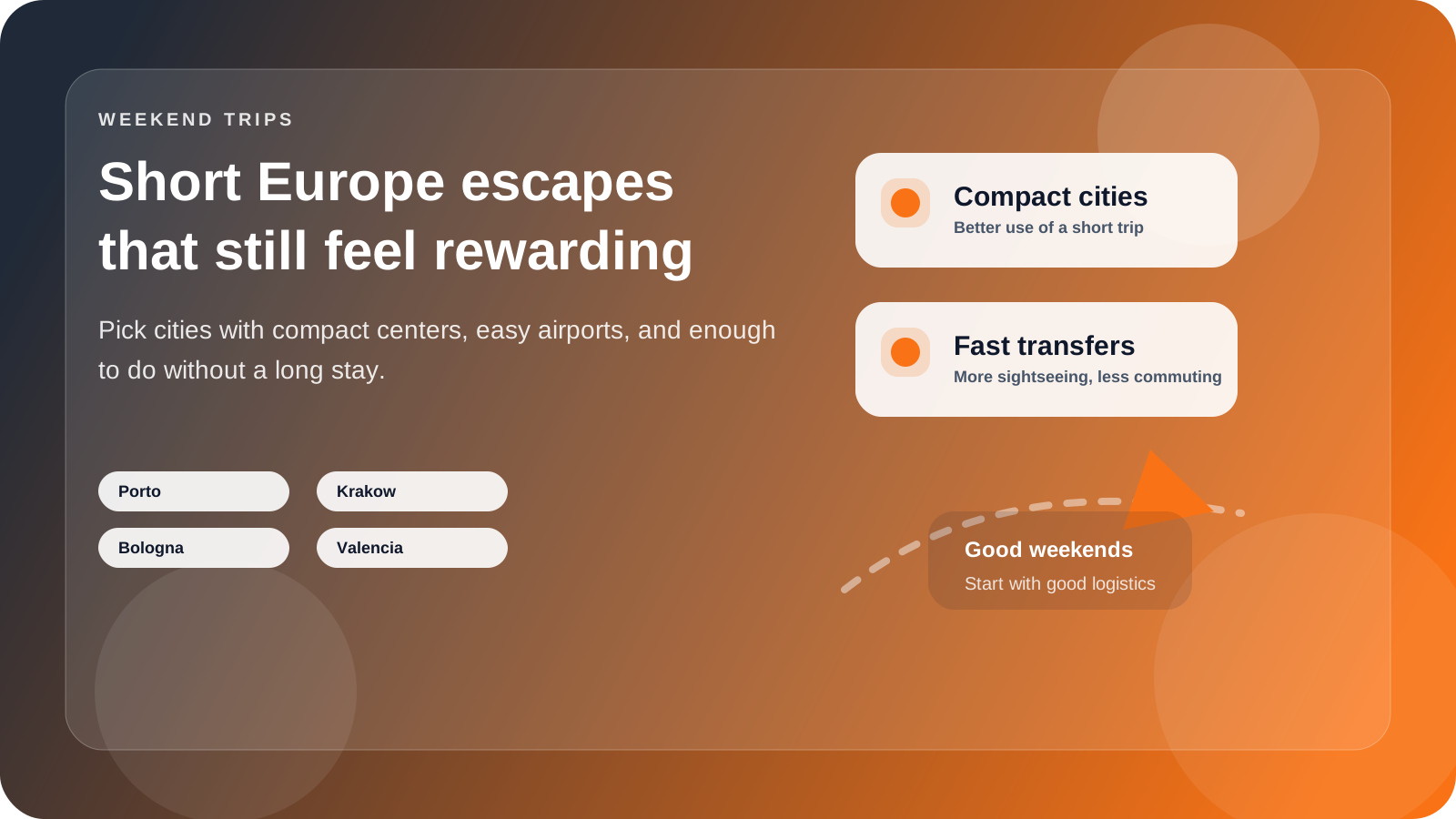
Weekend getaways in Europe are easiest to keep affordable when you stop trying to cram in too much. The best short breaks are built around cities that are compact, rewarding quickly, and simple to reach from the airport.
This guide sits inside the Budget Travel in Europe pillar and pairs well with Cheapest Cities to Fly Into Europe if you are still deciding how to structure the trip.
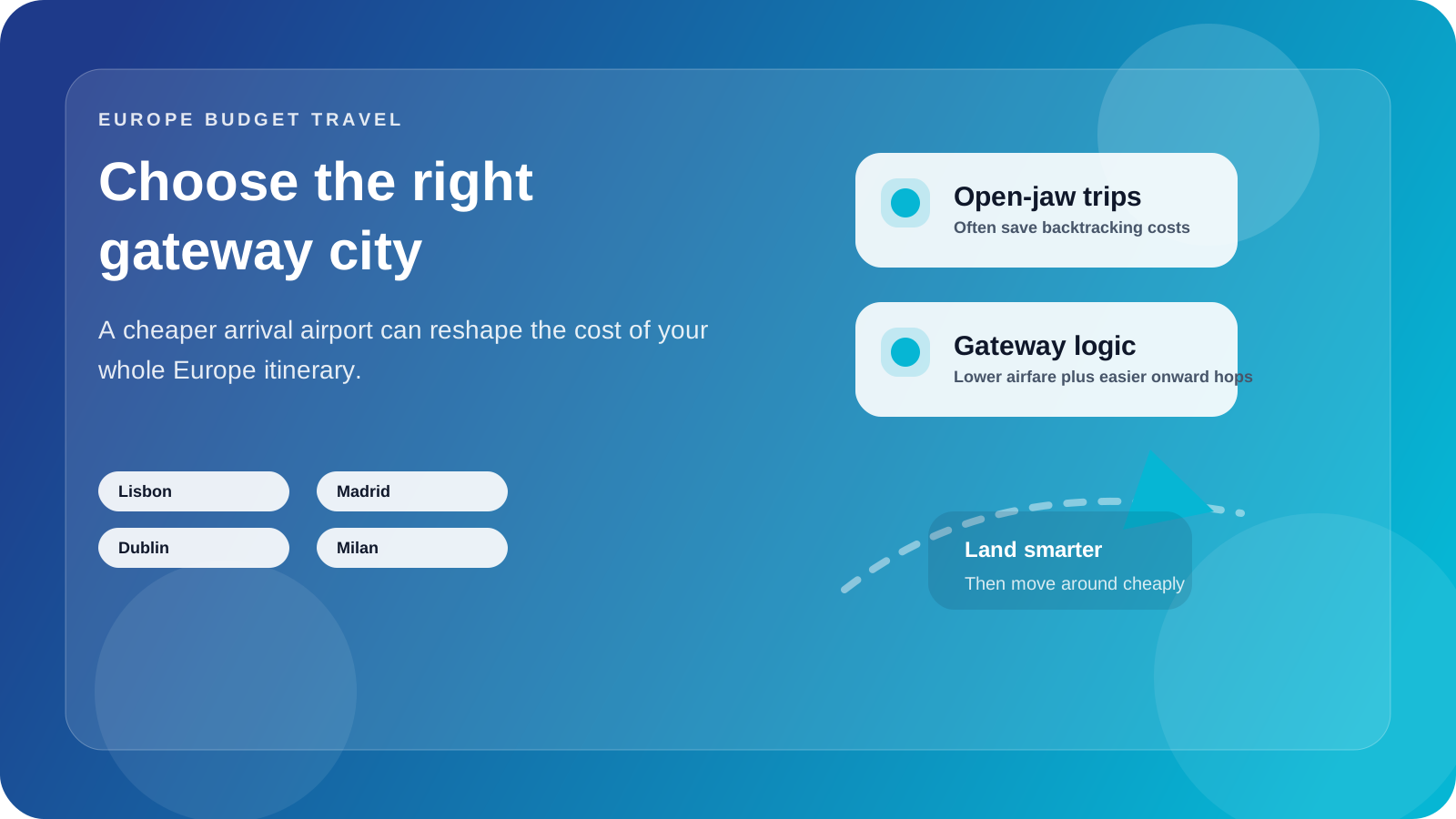
Europe gateway map for planning quick and affordable weekend trips.
Budget-friendly Europe weekend breaks worth booking
Porto
Porto is almost made for a long weekend. The center is scenic, the food is satisfying, and the city gives you river views and classic atmosphere without needing a sprawling plan.
It is also forgiving on logistics. The airport transfer is straightforward, and you can spend most of the trip on foot or using very simple transit.
Krakow
Krakow works well for budget travelers because the old center is compact, the city has real atmosphere, and the daily spend can stay manageable compared with many Western European capitals.
It is a strong short-break choice for travelers who want history, café time, and a city that feels full without needing expensive transport or elaborate reservations.
Valencia
Valencia is excellent for a longer weekend because it mixes beach access, great food, and a city center that rewards wandering. It feels richer than many budget city breaks because the experience spans several moods without requiring multiple destinations.
That combination makes it especially good for travelers who want sun, urban energy, and straightforward logistics.

Postcard image showing attractive but affordable European city-break options.
Bologna
Bologna is one of the smartest choices for travelers who want Italy without paying purely for fame. The food is a highlight, the center is walkable, and the city is dense with everyday pleasures that make a short trip feel full.
It is also easier to enjoy quickly than larger or more crowded Italian destinations that need more planning and more transit time.
Budapest
Budapest is a classic budget-friendly weekend city because it offers big-trip visuals on a shorter break. River views, historic architecture, baths, and nightlife all create the sense of a substantial trip without requiring a week of logistics.
For travelers who like variety over a few days, Budapest gives a lot back.
Seville
Seville is strongest in the shoulder season, but it can still be a great budget-focused weekend for travelers who want southern Spanish atmosphere, food, and a very walkable historic core.
It rewards simple planning: one good base, evening strolls, and enough space in the itinerary to enjoy the city rather than rushing through it.
How to keep a weekend break actually cheap
Weekend trips get expensive when travelers treat them like mini grand tours. One city, one good base, and a sensible flight pattern will usually beat a more ambitious but more fragile itinerary.
You also save by reducing friction. Easy airport transfers and compact city centers mean fewer surprise costs and more of the trip spent doing things you actually wanted to do.

Airport timing image supporting short-trip efficiency.
Choose the trip that fits the length
A three-day break should feel clean and satisfying, not overstuffed. That means prioritizing cities that become rewarding quickly and do not require constant transit between far-apart neighborhoods or attractions.
The best weekend getaways feel generous precisely because they are not trying to prove too much.
- Prefer one city over a multi-stop route.
- Look for easy airport transfers and walkable centers.
- Use direct flights when the price difference is reasonable.
- Pick cities with strong food and street life so the basics still feel like part of the trip.
What this looks like on a real Europe trip
Imagine a traveler who wants ten days in Europe, warm weather, and cities that still feel rewarding on a moderate budget. Instead of forcing a pricey direct arrival into a smaller tourist hotspot, they land in Lisbon, spend a few days there, and continue to Porto or Valencia. The trip ends up cheaper not because one line item was dramatically discounted, but because the route itself became smarter.
That is the big budget-Europe lesson. Good gateway logic, compact cities, and realistic transport choices usually create more savings than obsessive comparison of one ticket in isolation.
Mistakes that quietly inflate a Europe budget
Europe trips often become expensive through accumulation rather than one big mistake. Too many city changes, awkward arrival airports, and overly ambitious wish lists create more transport cost and more wasted half-days than travelers expect.
Another common problem is choosing cities for reputation alone. A better-value neighbor with easier logistics can produce a much richer trip if you are actually trying to enjoy the place instead of simply claiming it on an itinerary.
- Packing too many expensive cities into one short trip.
- Choosing a final destination before checking gateway options.
- Underestimating transfer costs and lost transit time.
- Forgetting that food, accommodation, and local transport matter as much as airfare.
A simple plan for turning ideas into a lower-cost itinerary
Good Europe planning usually starts with a region, not a random list of famous places. Once you choose the region, compare gateway cities, shortlist two or three strong-value destinations, and let the transport logic shape the rest.
That process gives you a trip that feels coherent and much easier to price. The route itself becomes part of the budget strategy rather than something you repair after booking.
- Pick a region first.
- Compare several gateways before you choose the long-haul flight.
- Favor compact cities and manageable travel days.
- Spend on the parts of the trip that create the most actual enjoyment.
Questions to ask before you lock the itinerary
The best Europe itineraries are usually the ones that still make sense after you strip away excitement and look at logistics. Can you move between the cities easily? Are you spending more time enjoying the place than changing hotels? Does the gateway choice still help once local costs are added in?
Those questions are what keep a budget trip from turning into a constant series of small compromises. They help you choose a route that stays enjoyable even after the novelty of planning wears off.
- Is this city sequence simple enough to enjoy without rushing?
- Could one less stop make the trip cheaper and better?
- Am I choosing this destination because it fits, or only because it is famous?
- Will the daily costs stay comfortable once I arrive?
Related reading
-
For stylish warm-weather options, see Cheap Summer Destinations in Europe That Feel Expensive.
-
Stretch a short break into a bigger route with How to Travel Europe on a Budget.
-
Start with better entry-point logic using Cheapest Cities to Fly Into Europe.
FAQ
What makes a European city good for a budget weekend trip?
The best weekend cities are compact, easy from the airport, full of casual dining, and interesting enough that you do not need a huge itinerary to enjoy them.
Should I use only direct flights for weekend breaks?
Direct flights are often worth prioritizing on short trips, but a sensible one-stop can still work if the savings are strong and the timings are clean.
How many cities should I include in a weekend getaway?
Usually just one. A weekend break works best when you let one city do the work rather than slicing the trip too thin.
The best budget weekend getaways in Europe are the ones that feel complete in a short window. Compact, atmospheric, easy-to-reach cities almost always give the best return on a short travel budget.
Related routes and guides
Use this advice on a real route
Use the guide as a decision filter: compare the base fare, bags, seat choice, airport access, and travel time before calling a ticket cheap.
Destination guide
Porto
Check the arrival-airport context, route links, and destination fit before treating the lowest fare as the best value.
Destination guide
Valencia
Check the arrival-airport context, route links, and destination fit before treating the lowest fare as the best value.
Search shortcut
Browse route guides with prefilled searches
Move from advice to a route page where airport codes, fare context, and the search form are already aligned.