Budget Travel Packing List
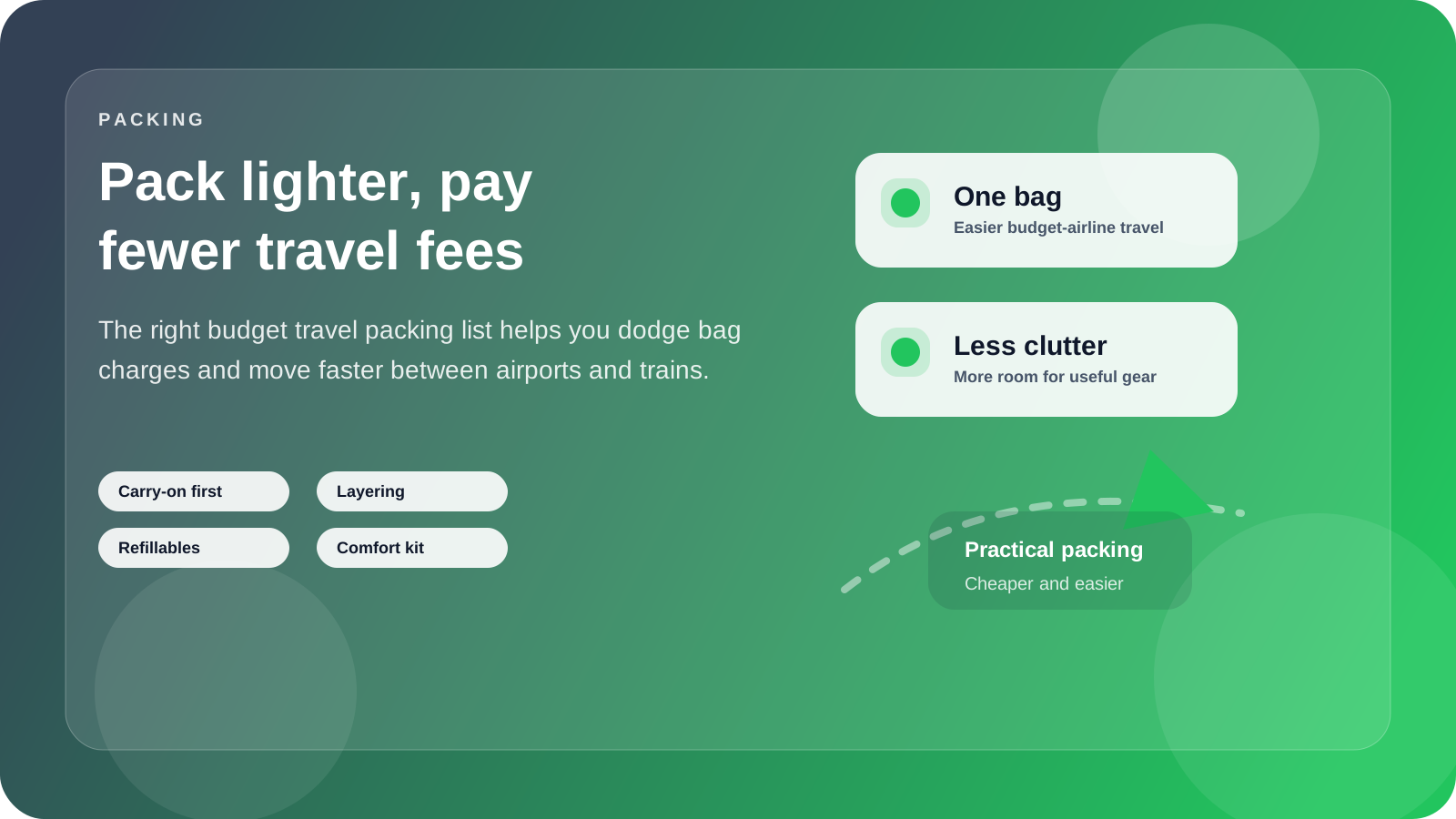
Packing is one of the easiest places to protect a travel budget. A smart bag setup keeps a cheap ticket cheap, makes airport transfers easier, and stops low-cost carriers from turning into fee traps.
This list is built for real trips, not minimalist bragging rights. Use it with the Travel Hacks & Trip Planning hub and How to Avoid Hidden Fees When Booking Flights if you want the whole money-saving system.
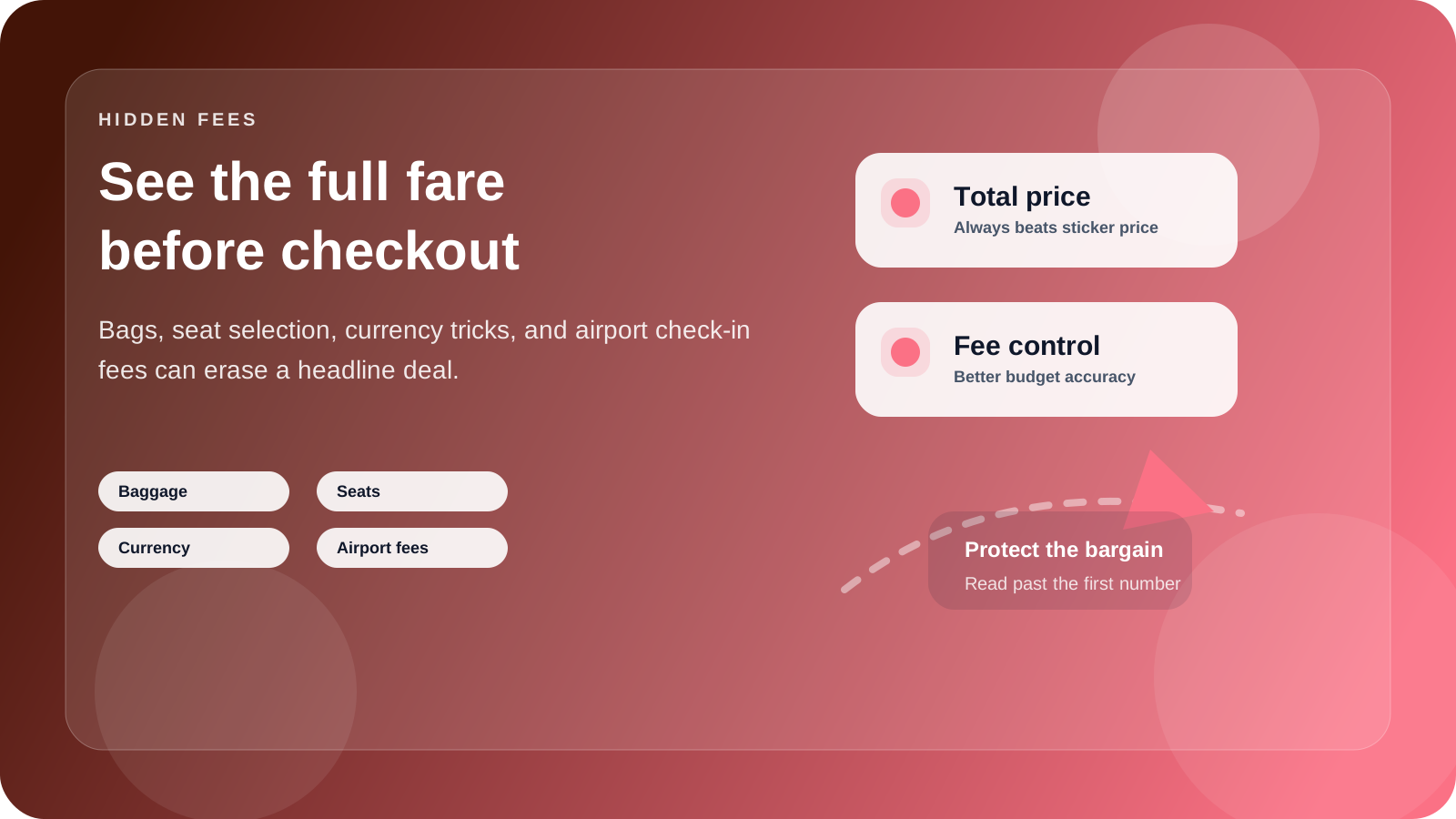
Fee-focused image showing why smart packing protects a cheap fare.
Start with the baggage rules, not the packing fantasy
Before you decide what to bring, check the ticket. Is a cabin bag included? Personal item only? Strict weight limit? That information shapes everything else, especially if you are flying a budget airline in Europe where bag policy can be the biggest difference between a good fare and a disappointing one.
Once you know the allowance, pack to the rule with a little breathing room. A stuffed bag that barely fits is not a victory if it gets flagged at the gate. Aim for control, not maximum capacity.
Build your clothing around repeating combinations
A budget travel packing list works best when every item earns multiple uses. Neutral basics, one light layer for temperature swings, one compact outer layer if needed, and a small set of interchangeable tops or dresses will outperform a bag full of single-purpose outfits.
For Europe trips especially, comfortable walking clothes matter more than novelty. You will usually get more value from versatile shoes and a breathable outfit rotation than from packing for every imagined scenario.
- Two or three tops that all work with the same bottoms.
- One reliable walking shoe and one compact second pair.
- A thin layer for planes, evenings, or over-air-conditioned trains.
- Sleepwear that can also double as an emergency backup outfit.

Summer airport image emphasizing light bags and smoother transit.
Keep toiletries and tech lean but useful
A good packing list is not about eliminating comfort. It is about shrinking the bulky category of “just in case.” Refillable toiletries, a compact charger setup, headphones you actually use, and a simple medicine pouch are usually enough for most trips.
The biggest waste tends to come from duplicates. If the hotel will likely provide basic items, do not carry full-size versions. If one charging cable covers multiple devices, use it. Budget travel rewards the traveler who edits ruthlessly.
Pack for the airport experience too
Your bag should help you move through the airport, not fight you. Keep documents, liquids, headphones, and a small comfort layer easy to reach. If you have to unpack your whole bag to find a passport or charger, the system is doing too much.
This matters even more in summer, when airports are busy and the last thing you want is a chaotic repack on the floor. A cleaner bag layout saves time and reduces stress on travel day.
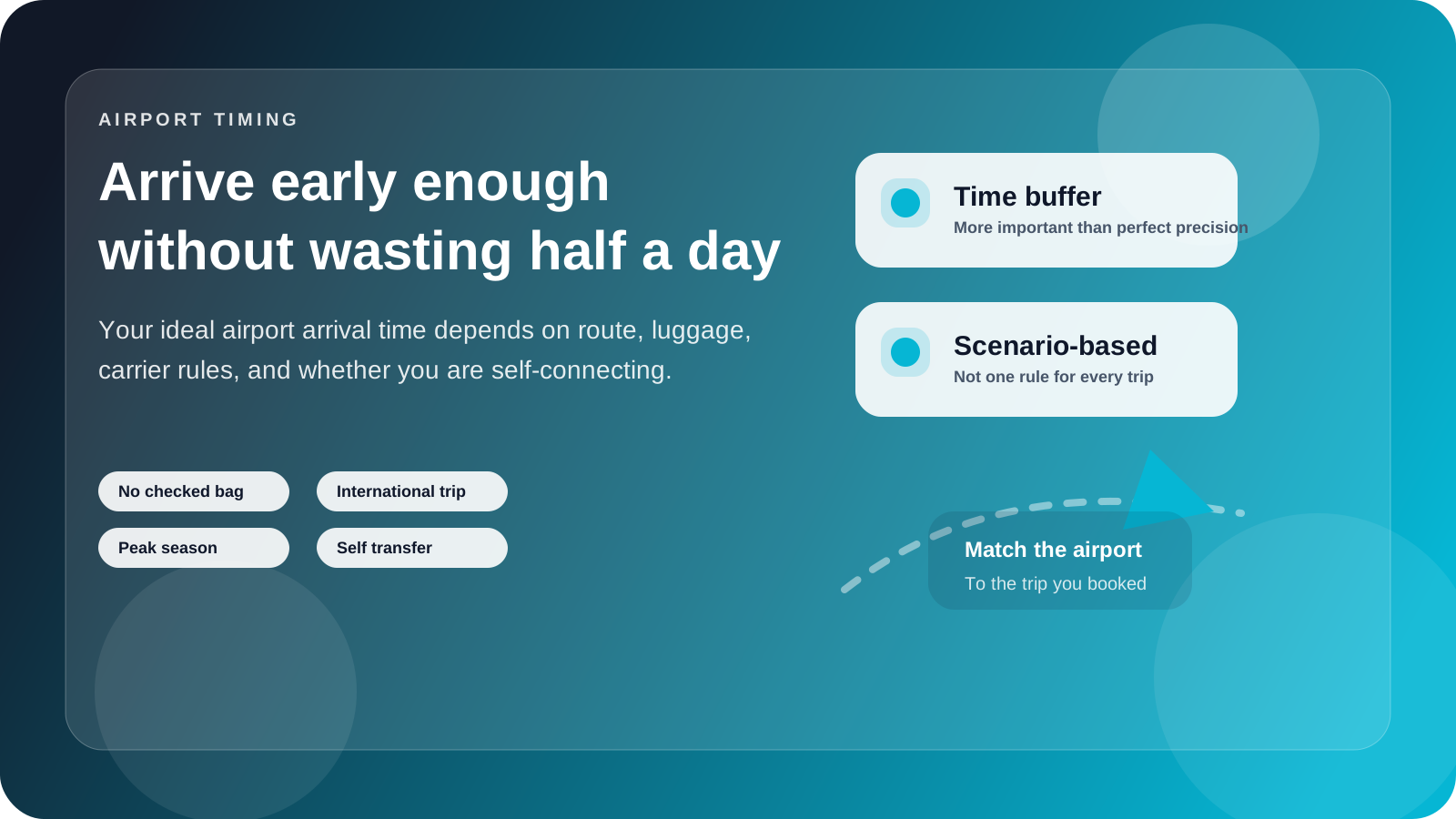
Airport timing image paired with a light-packing strategy.
Know what to leave out
The best packing lists are defined as much by what they exclude as by what they contain. Heavy books, too many toiletries, “backup” shoes you will not wear, and full-size beauty products are common offenders.
Leave room for the trip itself. A lighter bag makes city walks easier, train changes simpler, and cheap airline rules much less threatening.
- Do not pack for every weather possibility if the forecast is stable.
- Skip bulky items you can cheaply replace at the destination if necessary.
- Avoid loading up on formalwear unless the trip genuinely requires it.
- Keep souvenirs in mind so you do not start with a completely full bag.
How this advice plays out on the trip itself
Imagine a traveler taking a four-night break on a low-cost airline. Because the bag is packed to the ticket rules, airport timing is realistic, and add-ons are chosen intentionally, the whole trip starts calmer and cheaper. None of those choices are dramatic on their own, but together they stop the budget from leaking away.
That is the pattern behind most useful travel hacks. They do not look flashy. They simply remove the avoidable friction that turns a good itinerary into an unnecessarily expensive one.
Mistakes that create avoidable travel-day stress
Practical travel problems tend to come from rushing. Travelers overpack, skip reading the ticket rules, arrive at the airport with too little buffer, or buy add-ons without deciding whether they actually help. Those choices make the trip feel more chaotic than it needs to be.
The better habit is to simplify before departure. When your bag, airport plan, and checkout decisions all line up, the entire trip becomes easier to carry and easier to budget.
- Packing for every possible scenario instead of the actual trip.
- Ignoring the airline’s baggage and check-in rules.
- Treating airport timing as a fixed myth instead of a trip-specific choice.
- Letting convenience purchases replace simple planning.
A practical plan for a smoother trip
The easiest way to use travel-hack advice is to reduce decisions on travel day. Make the packing list before you pack, read the ticket rules before checkout, and decide your airport timing before you leave home. That way the trip runs on decisions you already made clearly, not on rushed guesses.
This does not just save money. It preserves energy, which is often the more valuable thing on a short trip or a busy peak-season route.
- Match your bag to the fare before you book.
- Remove extras that do not solve a real problem.
- Build a realistic airport buffer for the trip you are taking.
- Keep the plan simple enough that you can actually enjoy the destination.
Questions to ask before travel day
Practical planning improves when you ask a few calm questions before the trip starts. Does your bag really fit the ticket rules? Do you know what the airline expects at the airport? Have you left enough buffer for the schedule you actually booked? These checks are small, but they often make the difference between a smooth start and a stressful one.
That is also why practical travel advice pays off so reliably. It gives you a way to catch avoidable friction while the fix is still easy and cheap.
- Does my bag setup match the ticket, not just my preference?
- Do I know where small fees or timing problems could appear?
- Have I made the airport plan for this exact trip, not a generic one?
- Will this travel setup still feel manageable if the day gets a little messy?
Why travel-day simplicity matters so much
Many budget trips are won or lost on the day of departure. A bag that is easy to manage, a realistic airport plan, and a clear sense of what the airline expects can protect the whole trip from small avoidable setbacks. That is especially true in busy summer periods, on low-cost carriers, or on short trips where one mistake eats a large share of the experience.
Simple travel-day systems are valuable because they hold up even when the day gets a little messy. A longer queue, a delayed train to the airport, or a crowded gate area feels much less dramatic when you have already reduced the amount of chaos you are carrying into the trip.
- Aim for less friction, not just less spending.
- Give yourself enough buffer that one small delay does not ruin the day.
- Keep the essentials easy to reach and the plan easy to follow.
- Remember that a smoother departure usually feels like better value too.
Related reading
-
Protect yourself at checkout with How to Avoid Hidden Fees When Booking Flights.
-
Use How Early Should You Arrive at the Airport to match your airport timing to your bag setup and trip type.
-
For peak-season trips, combine this list with Summer Travel Hacks Most People Don't Know.
FAQ
What is the most important part of a budget travel packing list?
The biggest priority is keeping your luggage aligned with the ticket you bought so you avoid extra bag fees and do not slow yourself down in transit.
How many shoes should I bring on a budget trip?
Usually two pairs are enough: one comfortable walking pair and one compact second option that fits the purpose of the trip.
Should I always try to travel with only a personal item?
Only if it suits the trip. A personal item can be great for short breaks, but a well-packed carry-on is often the sweet spot for longer trips because it keeps flexibility without becoming stressful.
A budget travel packing list should make the trip easier, not more complicated. Pack for the ticket you bought, the weather you expect, and the pace you actually want to keep once you land.
Related routes and guides
Use this advice on a real route
Airline rankings, economy tips, and booking tactics only become useful once you compare the fare family, airport transfer, and route timing together.
Route guide
Berlin to Nice
Use this route page to compare airport fit, baggage costs, timing, and the prefilled search for BER to NCE.
Route guide
London to Amsterdam
Use this route page to compare airport fit, baggage costs, timing, and the prefilled search for LHR to AMS.
Search shortcut
Browse route guides with prefilled searches
Move from advice to a route page where airport codes, fare context, and the search form are already aligned.